


Discovering the Influence of Music in Graphic Novels
- jim3668
- Oct 6, 2025
- 5 min read
Updated: Nov 17, 2025

Music and graphic novels might seem like two very different art forms. But when they come together, something magical happens. I’ve always been fascinated by how music can shape the storytelling and atmosphere in graphic novels. It’s like the pages start to sing, and the visuals dance to a rhythm you can almost hear. Today, I want to take you on a journey through this unique blend of sound and art. We’ll explore how music influences graphic novels, why it matters, and how creators like Jim McCarthy are pushing the boundaries of this creative fusion.
The Role of Music in Creative Graphic Novels
Music is more than just background noise in graphic novels. It’s a powerful tool that adds depth and emotion to the story. When I read a graphic novel that incorporates music, I feel like I’m stepping into a world where sound and image work hand in hand. The rhythm of the panels, the style of the artwork, and even the dialogue can all be influenced by musical elements.
For example, a graphic novel about jazz might use flowing, improvisational panel layouts to mimic the unpredictable nature of the music. The colours might be warm and smoky, evoking a late-night club atmosphere. On the other hand, a story centred around punk rock could feature sharp, jagged lines and bold, clashing colours to capture the energy and rebellion of the genre.
Creators often use visual cues to suggest music. You might see musical notes floating around a character or sound waves illustrated in the background. Sometimes, the graphic novel will include actual song lyrics or references to famous tracks. This helps readers connect with the story on a sensory level, even if they can’t hear the music directly.
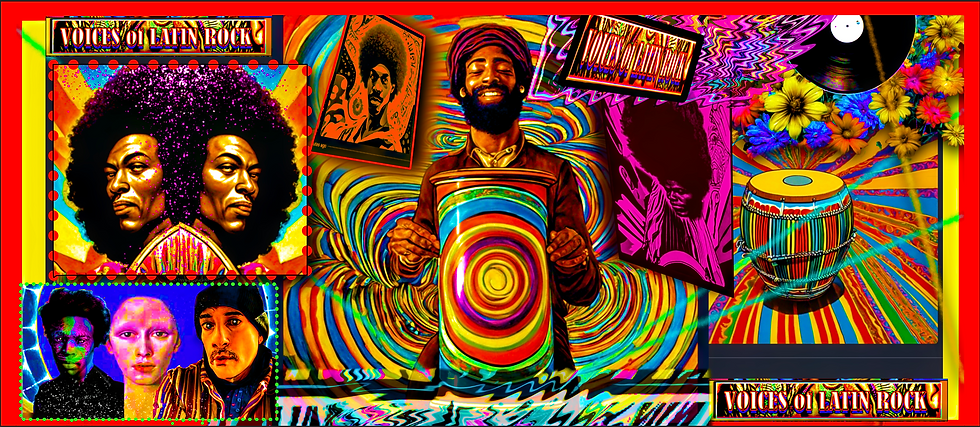
If you’re interested in exploring this further, there are some fantastic online music graphic novels that showcase this blend beautifully. These works invite you to experience music visually and emotionally, making the reading experience richer and more immersive.
How Music Shapes the Narrative and Art Style
Music doesn’t just influence the mood; it can shape the entire narrative structure of a graphic novel. I’ve noticed that some graphic novelists use musical forms as a blueprint for their storytelling. For instance, a story might be divided into “movements” like a symphony, each with its own theme and pace. This approach helps create a rhythm that guides the reader through the plot.
The art style often reflects the genre of music featured in the story. A graphic novel about classical music might have elegant, detailed illustrations with a refined colour palette. In contrast, a story about electronic music could use bright neon colours and futuristic designs to match the sound.
Sound effects in graphic novels also play a crucial role. They can mimic instruments or beats, adding a layer of auditory imagination. Words like “BANG,” “STRUM,” or “WHIRR” jump off the page, making the music feel alive. This technique helps bridge the gap between silent images and the vibrant world of sound.
I find it exciting when artists experiment with panel layouts to mimic musical timing. Quick cuts and overlapping images can represent fast beats, while long, wide panels might suggest slow, lingering notes. This visual rhythm keeps the reader engaged and mirrors the experience of listening to music.

Are Graphic Novels Better for ADHD?
This is a question I’ve come across often, and it’s worth exploring. Graphic novels, especially those infused with music themes, can be incredibly engaging for readers with ADHD. The combination of visuals and text helps maintain focus and makes the story easier to follow.
The pacing in graphic novels is usually faster than traditional books. This quick flow can hold the attention of someone who might struggle with long blocks of text. When music is part of the story, it adds another layer of stimulation that can be both calming and energising.
Many readers with ADHD find that the sensory experience of graphic novels helps them process information better. The images provide context clues, while the musical elements can evoke emotions that deepen understanding. This multi-sensory approach makes graphic novels a powerful tool for learning and enjoyment.
If you’re looking to recommend graphic novels to someone with ADHD, I suggest choosing titles that have a strong musical influence. These stories often use rhythm and repetition in their narrative, which can be soothing and predictable in a positive way.

Practical Tips for Creators Blending Music and Graphic Novels
If you’re a creator interested in combining music with graphic novels, here are some tips I’ve gathered from studying this art form:
Listen deeply to the music you want to portray. Understand its mood, tempo, and cultural background. This will help you translate sound into visuals.
Use panel layout to mimic musical rhythm. Experiment with pacing by varying panel sizes and shapes to reflect beats and pauses.
Incorporate visual symbols of music. Musical notes, instruments, and sound waves can visually cue readers into the sonic world of your story.
Choose colours that match the music’s tone. Warm colours for jazz, cool blues for blues music, or neon for electronic genres can enhance the atmosphere.
Include lyrics or song references thoughtfully. These can add depth but should not overwhelm the narrative.
Experiment with sound effect lettering. Make it part of the art, not just text on the page.
Engage your audience with multimedia. Consider linking to playlists or soundtracks that complement your graphic novel.
By following these steps, you can create a graphic novel that not only tells a story but also invites readers to feel the music in every panel.
Why Jim McCarthy’s Work Stands Out in This Genre
Jim McCarthy is a brilliant example of an artist who masterfully blends music and graphic novels. His work dives deep into musical culture, exploring artists and genres with a unique voice. What I love about Jim’s approach is how he respects both the music and the art form equally.
His graphic novels don’t just tell stories about music; they embody the spirit of the music itself. Whether it’s the raw energy of rock or the soulful melodies of blues, Jim’s art captures the essence in a way that feels authentic and fresh.
Jim also embraces the digital world, making his work accessible through online music graphic novels. This helps reach a wider audience who appreciate this creative fusion. His dedication to sharing his unique blend of writing, art, and publishing is inspiring for anyone interested in the crossroads of music and graphic storytelling.
If you want to explore this genre further, Jim McCarthy’s work is a fantastic place to start. His graphic novels are not just books; they are experiences that celebrate music in all its forms.
Exploring the influence of music in creative graphic novels opens up a world of possibilities. It’s a space where sound and image come together to tell stories in new and exciting ways. Whether you’re a creator or a fan, diving into this fusion can deepen your appreciation for both art forms. So, why not pick up a graphic novel with a musical heart and let the rhythm guide you?


Comments